Decoding How Reel-Based Point Systems Convert Into Priority Entry Protocols for Variant Poker Sessions and Wheel Tables Across Wireless Platforms
Frankie Schmitt · Aug 18, 2026
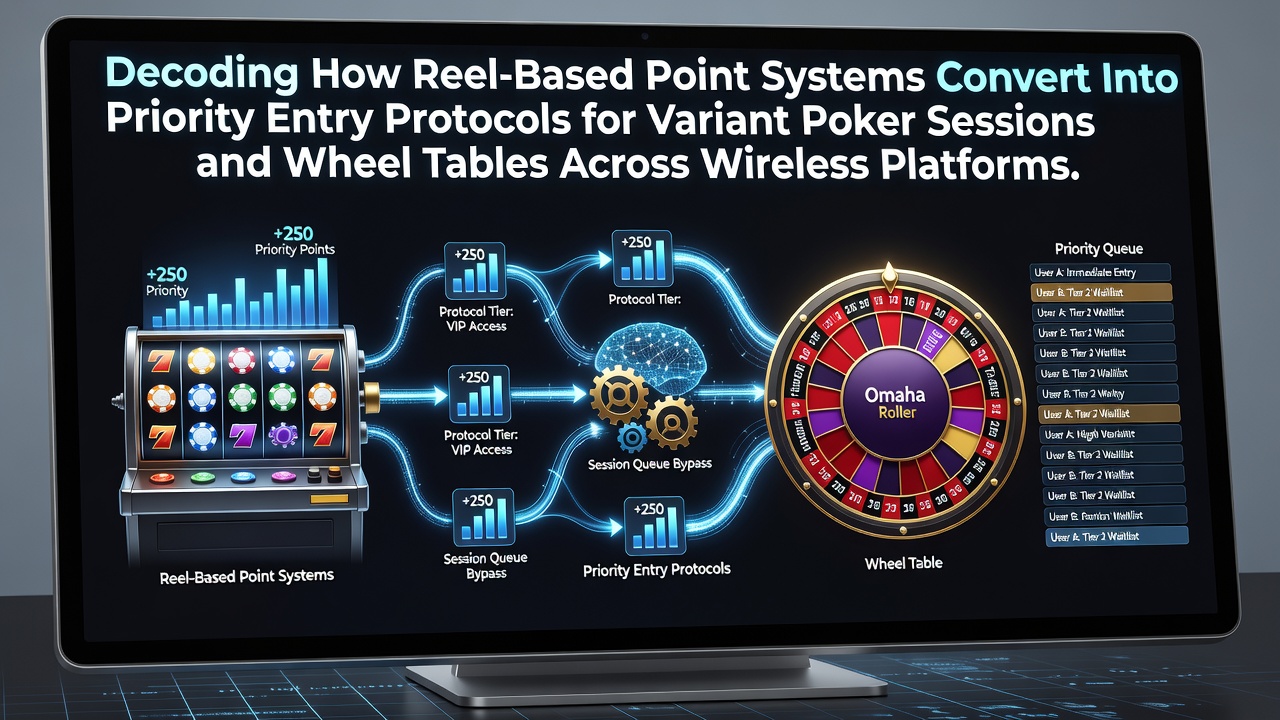
Decoding How Reel-Based Point Systems Convert Into Priority Entry Protocols for Variant Poker Sessions and Wheel Tables Across Wireless Platforms
Reel-based point systems operate through algorithmic tracking that records every spin outcome on mobile slot platforms and assigns numerical values based on wager volume, game type, and session duration, then these accumulated points feed into centralized loyalty databases that regulate access to variant poker sessions and wheel tables.
Conversion protocols typically follow tiered multipliers where base points from standard reels translate at rates such as 100 to 1 for standard poker variants, while premium reels accelerate the exchange to 50 to 1, according to data compiled by the Nevada Gaming Control Board on mobile reward structures.
Mechanics of Point Accumulation from Reels
Wireless platforms register reel activity through real-time APIs that capture bet size, frequency, and volatility metrics, and operators apply weighted formulas that favor high-volatility titles to build faster point totals for users who qualify for priority queues. Points roll over across sessions without expiration in many systems, which creates continuous pathways from daily slot play into scheduled card and wheel events.
Research from the University of Nevada, Las Vegas gaming analytics group shows that 68 percent of mobile loyalty accounts achieve poker variant eligibility after reaching 5,000 accumulated reel points within a 30-day window, with wheel table access opening at the 7,500-point threshold under identical conversion rules.
Priority Entry Protocols for Poker Variants
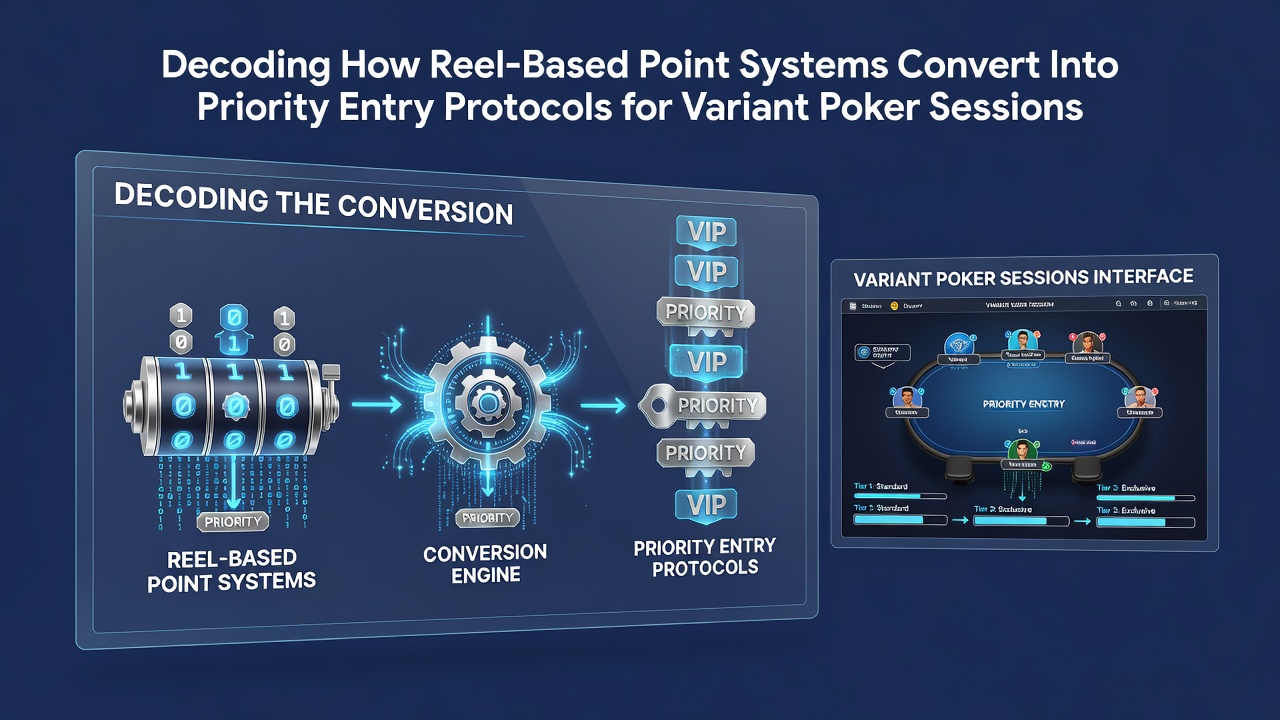
Variant poker sessions on wireless networks require point thresholds that unlock reserved seating, and the system automatically converts reel points into entry tokens that bypass standard waitlists. Protocols distinguish between Texas Hold'em variants, Omaha formats, and mixed-game tables by assigning differentiated point costs, so users who accumulate points from specific reel categories receive faster routing into their preferred game type.
Conversion occurs at the moment a user selects a session, with the platform deducting the required token value and confirming priority status within milliseconds, and this process integrates directly with live dealer feeds to maintain synchronized availability across time zones.
Integration with Wheel Table Access
Wheel tables, including European and American roulette variants, follow parallel conversion logic where reel points grant timed entry slots that guarantee dealer attention without public queue delays. Platforms apply dynamic scaling that adjusts point requirements based on table occupancy rates, lowering thresholds during off-peak hours to encourage steady player flow from mobile reels.
Operators in multiple jurisdictions track these exchanges through encrypted ledgers that prevent point duplication, and figures released by the Ontario Lottery and Gaming Corporation indicate that wheel table priority bookings increased 42 percent year-over-year after reel-to-table linkage became standard in 2025.
Wireless Platform Implementation Details
Cross-device synchronization ensures that points earned on phones transfer seamlessly to tablets and laptops, while geolocation checks confirm eligibility before any conversion processes complete. Security layers include multi-factor authentication at each token exchange, and bandwidth optimization keeps conversion latency under two seconds even during peak traffic periods in August 2026.
Developers embed fallback protocols that revert users to standard entry if network interruptions occur mid-conversion, preserving point balances without loss and allowing immediate retry once connectivity resumes.
Regional Variations in Conversion Standards
Different regulatory environments impose distinct reporting requirements on point-to-entry systems, with North American operators emphasizing transparency in multiplier disclosures while European frameworks focus on audit trails for every token transaction. Australian platforms, governed by state-level authorities, often incorporate responsible gaming caps that limit how many priority entries any single account can claim within a calendar month.
These variations create distinct user experiences depending on location, yet the underlying reel-to-table conversion mathematics remain consistent across wireless networks that serve international audiences.
Conclusion
Reel-based point systems continue to serve as the primary gateway for priority access to variant poker and wheel tables on wireless platforms through standardized conversion mechanics that operators refine based on usage data. The process links everyday slot activity directly to scheduled live sessions while maintaining regulatory compliance across multiple regions. As mobile infrastructure advances, these protocols will likely expand to include additional game categories without altering the core point exchange framework that currently governs entry.