Security Protocols Guiding the Path from Mobile Reel Accomplishments to Live Card Table Admissions Across Global Payment Networks
Rosa Weber · Aug 21, 2026
Security Protocols Guiding the Path from Mobile Reel Accomplishments to Live Card Table Admissions Across Global Payment Networks
Security protocols form the backbone of systems that convert mobile slot milestones into access privileges at live dealer card tables, and these mechanisms operate through coordinated layers of encryption, authentication, and transaction verification across international payment infrastructures. Data from regulatory agencies shows that operators must align mobile progress tracking with live game entry requirements while maintaining compliance with standards such as PCI DSS and regional data protection rules.
Core Authentication Layers in Mobile to Live Transitions
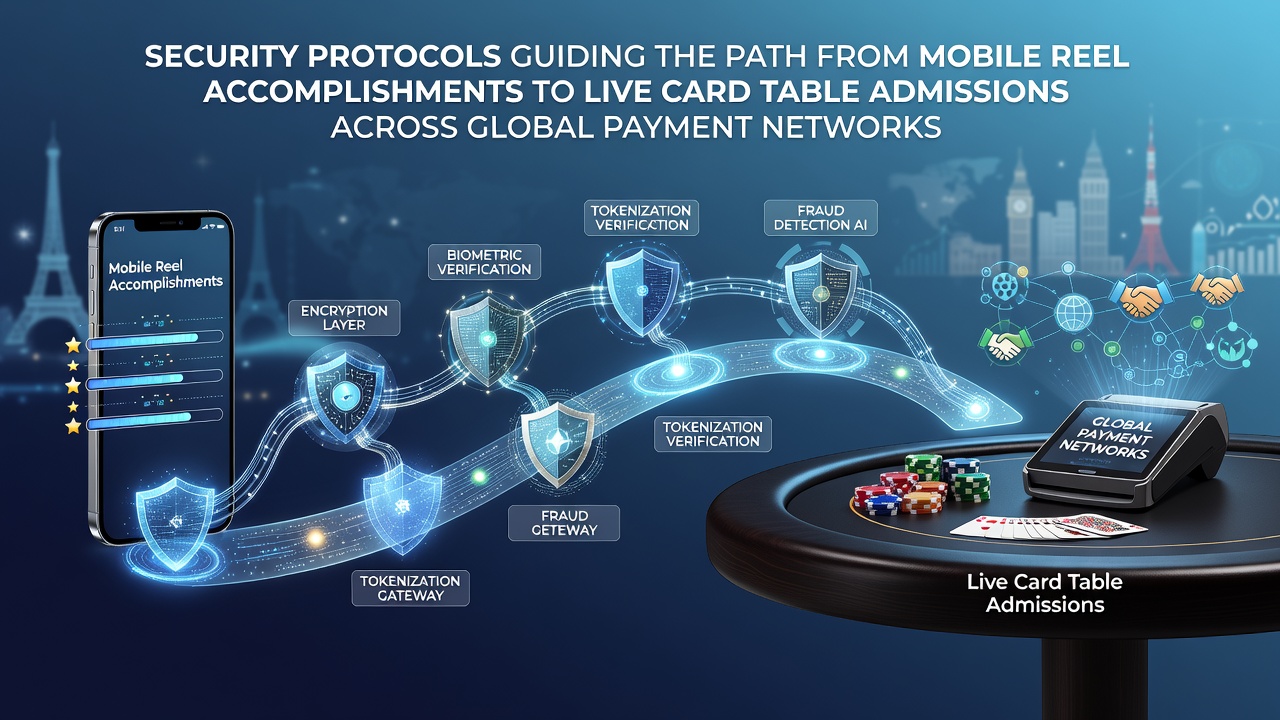
Operators implement multi-factor authentication sequences that link a player's slot achievement records directly to live table admission credentials, and these sequences typically combine device fingerprinting with biometric checks plus one-time tokens generated through payment gateways. Research from the European Gaming and Betting Association indicates that such layered verification reduces unauthorized access attempts by integrating real-time risk scoring models that evaluate transaction history alongside account activity patterns.
Tokenization replaces sensitive card details with unique identifiers during the handoff from mobile reel systems to live dealer platforms, which allows networks to process admissions without exposing full financial data at any single point. Observers note that this approach supports seamless progression for players who meet mobile targets while satisfying audit requirements from bodies like the New Jersey Division of Gaming Enforcement.
Global Payment Network Standards and Regional Variations
Payment networks in North America, Europe, and Asia Pacific apply distinct yet overlapping protocols to manage the flow between mobile accomplishments and live admissions, and August 2026 figures from industry reports highlight increased adoption of ISO 20022 messaging standards for cross-border transactions. These standards enable consistent data formatting that supports both slot milestone verification and live table entry requests without introducing delays in high-volume environments.
Canadian provincial regulators require operators to maintain segregated audit trails that document every step from mobile spin completion to live baccarat or roulette access, whereas Australian state frameworks emphasize continuous monitoring of payment velocity to flag potential anomalies during the transition process. The result is a patchwork of controls that nevertheless converges on shared principles of encryption at rest and in transit.
Encryption and Monitoring Practices
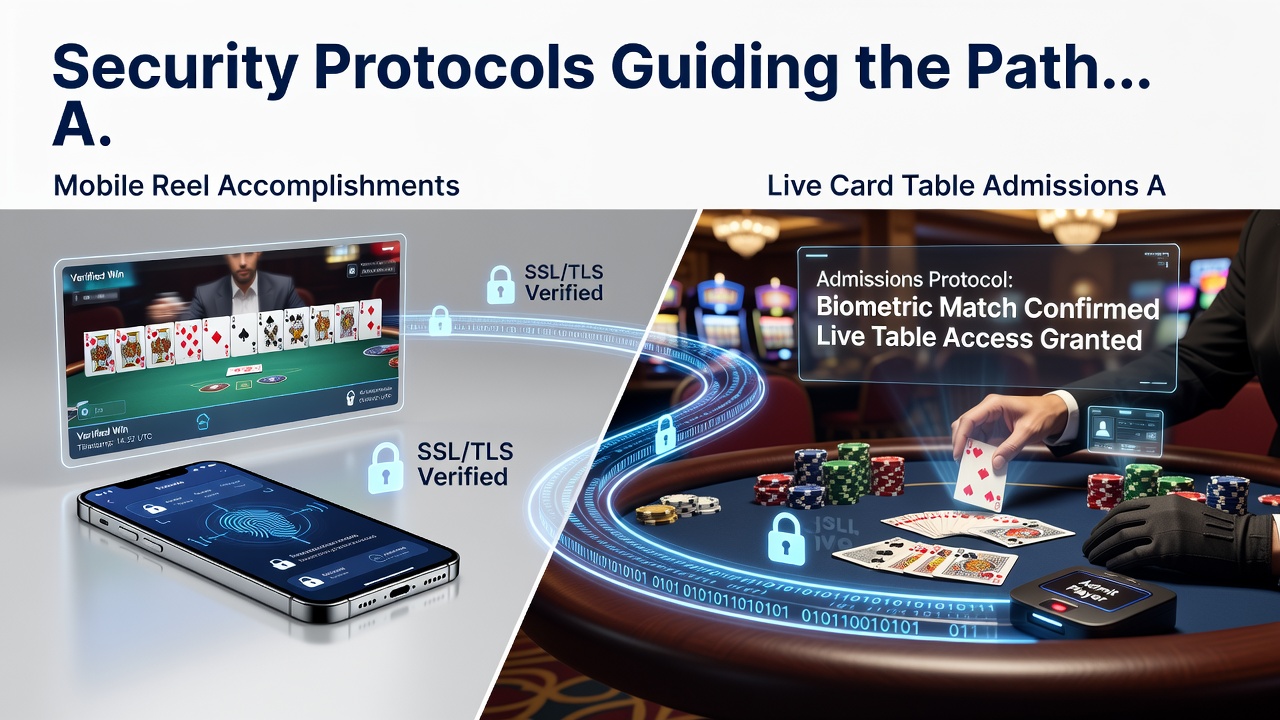
End-to-end encryption protects data packets that carry achievement metadata from mobile applications through intermediary processors to live dealer servers, and this protection extends to session keys that expire after each verified admission event. Studies from academic institutions tracking gaming technology adoption reveal that regular key rotation combined with behavioral analytics helps maintain integrity across the entire pathway.
Real-time monitoring systems scan for deviations in normal progression patterns, such as sudden spikes in mobile activity followed by live table requests, and these systems trigger additional verification steps when thresholds are crossed. Payment processors integrate these alerts directly into their authorization engines, ensuring that only compliant sequences receive clearance for live game entry.
Verification Workflows Across Jurisdictions
Workflows begin with mobile slot milestone confirmation and proceed through payment network gateways that validate funding sources before granting live table credentials, and each stage logs immutable records for regulatory review. Data compiled by the Nevada Gaming Control Board demonstrates that jurisdictions enforcing these sequential checks experience measurable reductions in disputed transactions involving cross-platform access.
Operators coordinate with global networks to apply geolocation restrictions and velocity limits during the final admission step, which prevents accounts from bypassing regional rules that govern live dealer participation. This coordination relies on standardized APIs that exchange verified status information without transmitting raw player financial details.
Conclusion
Security protocols that guide transitions from mobile reel accomplishments to live card table admissions continue to evolve alongside payment network capabilities, and regulatory updates scheduled for late 2026 are expected to further standardize token handling and audit logging requirements. These developments support consistent player experiences while preserving the integrity of verification processes across borders.